AG Insight


世界の現場で「高品質な脱炭素クレジット」をつくる。
私どもの実績に、次の一歩を重ねます。

Our Global Journery

「AG News」へようこそ。このページでは、アジアゲートウェイの日々の挑戦と、その成果を発信します。世界各地で進む脱炭素化プロジェクトの最新情報、新たなパートナーシップ、そして私たちのビジョンを形にするための様々な取り組みについて、随時更新していきます。
By Tomonori Kimura • 2026年9月30日
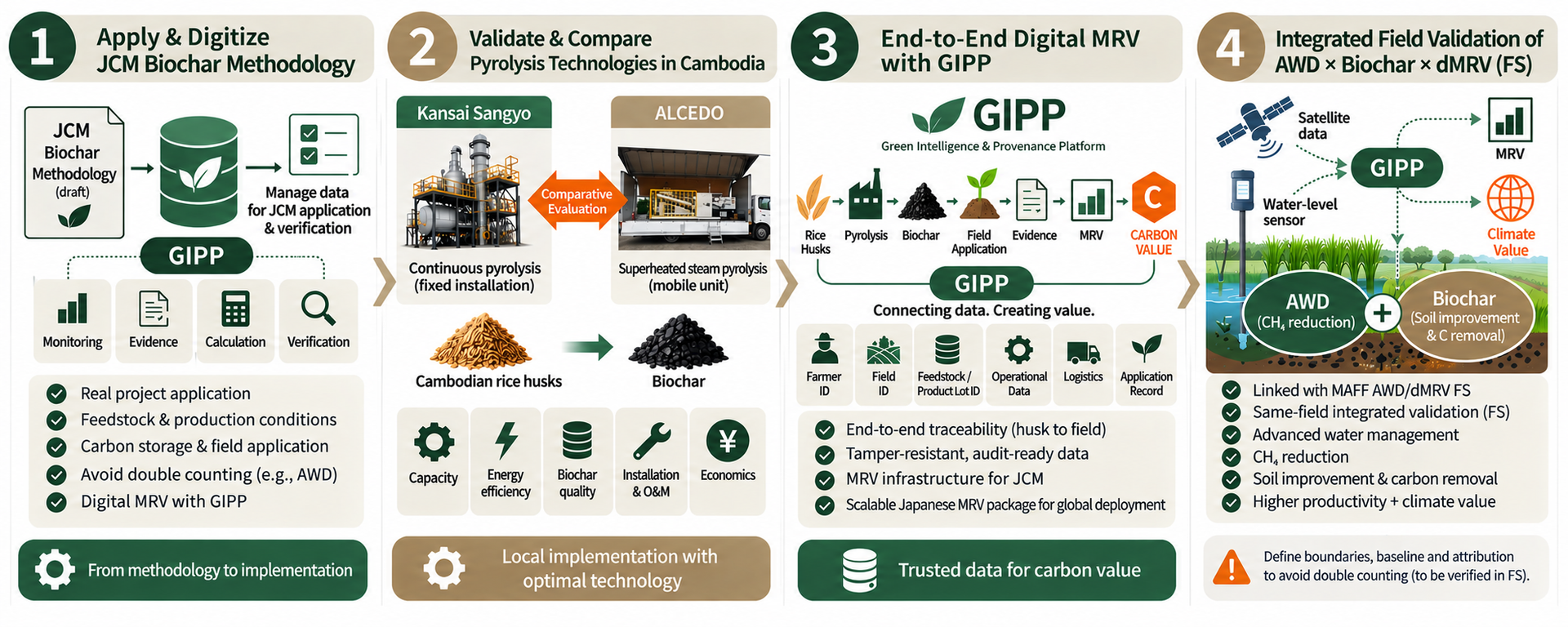
Asian Gateway Launches FS Toward JCM Implementation of Rice-Husk Biochar in Cambodia Selected for METI’s Global South Future-Oriented Co-Creation Program; Grant Approval Received — In collaboration with Nippon Koei, Kansai Sangyo and ALCEDO, exploring an integrated AWD, biochar and dMRV model — In Battambang Province, the project will assess rice-husk biochar production and field application, together with JCM MRV. In coordination with a MAFF-selected AWD/dMRV FS, Asian Gateway will explore an integrated “AWD × Biochar × dMRV” model in the same paddy fields, aiming to improve agricultural productivity, reduce GHG emissions, enhance carbon storage, and generate carbon credits under applicable schemes and methodologies. Asian Gateway Corporation (Head Office: Chiyoda-ku, Tokyo; Representative Director and President: Tomonori Kimura; “Asian Gateway”) announces that its proposed project, “Kingdom of Cambodia / Feasibility Study for the Production and Application of Rice-Husk Pyrolysis Biochar and Implementation of a JCM Biochar MRV Methodology,” was selected under the Ministry of Economy, Trade and Industry (METI) FY2025 Supplementary Budget Global South Future-Oriented Co-Creation Project Subsidy (Small-Scale Demonstration / Feasibility Study Program). The project was selected on June 30, 2026 and received grant approval on September 18, 2026. The project is a feasibility study (FS) in Battambang Province, Kingdom of Cambodia, to assess the commercial implementation potential of an integrated value chain that converts rice husks generated by rice milling into biochar through pyrolysis, applies the biochar to farmland, implements MRV (measurement, reporting and verification), and prepares for potential JCM crediting. The FS will examine feedstock supply, pyrolysis technology, biochar quality, agronomic effects, MRV methodology applicability, alignment with international standards, regulatory requirements and business viability, thereby identifying the technical, economic and institutional requirements for the next demonstration and commercialization phase. Four Implementation Themes
By Tomonori Kimura • 2026年9月30日
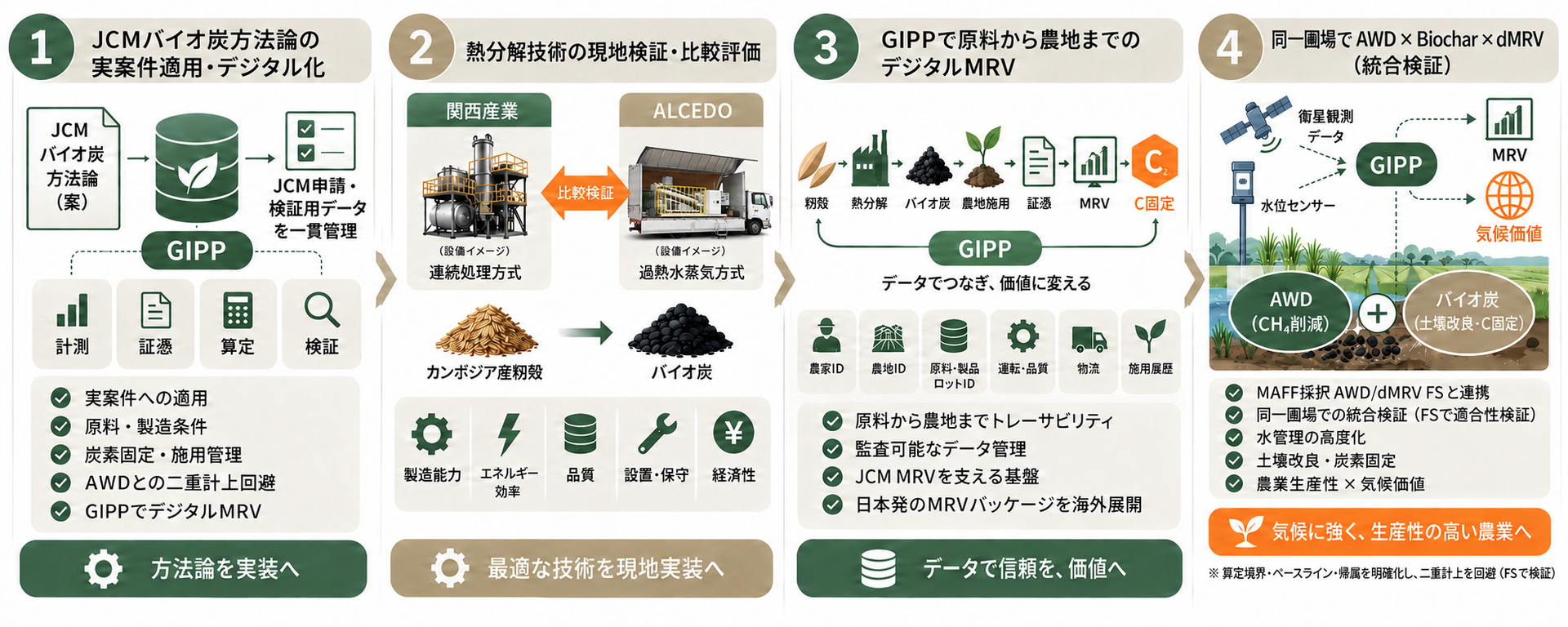
カンボジアで 籾殻バイオ炭のJCM実装化に向けたFSを開始 経済産業省「グローバルサウス未来志向型共創等事業」に採択・交付決定 ― 日本工営、関西産業、ALCEDOと連携し、AWD・バイオ炭・dMRVの統合モデルを検討 ― バッタンバン州で、籾殻由来バイオ炭の製造・農地施用・JCM MRVを検証。並行する農林水産省採択のAWD/dMRV FSと連携し、同一圃場での「AWD × Biochar × dMRV」による農業生産性向上、GHG削減・炭素固定、適用可能な制度・方法論に基づくカーボンクレジット創出を目指します。
2026年8月10日
Smart Solar and Asian Gateway Enter Business Partnership to Advance Decarbonized Infrastructure Development in Japan and Overseas — Integrating PV, BESS, and EMS/DERMS with GIPP to jointly develop decarbonized power infrastructure for grid-scale storage batteries, JCM partner countries, and AI data centers —
2026年7月13日
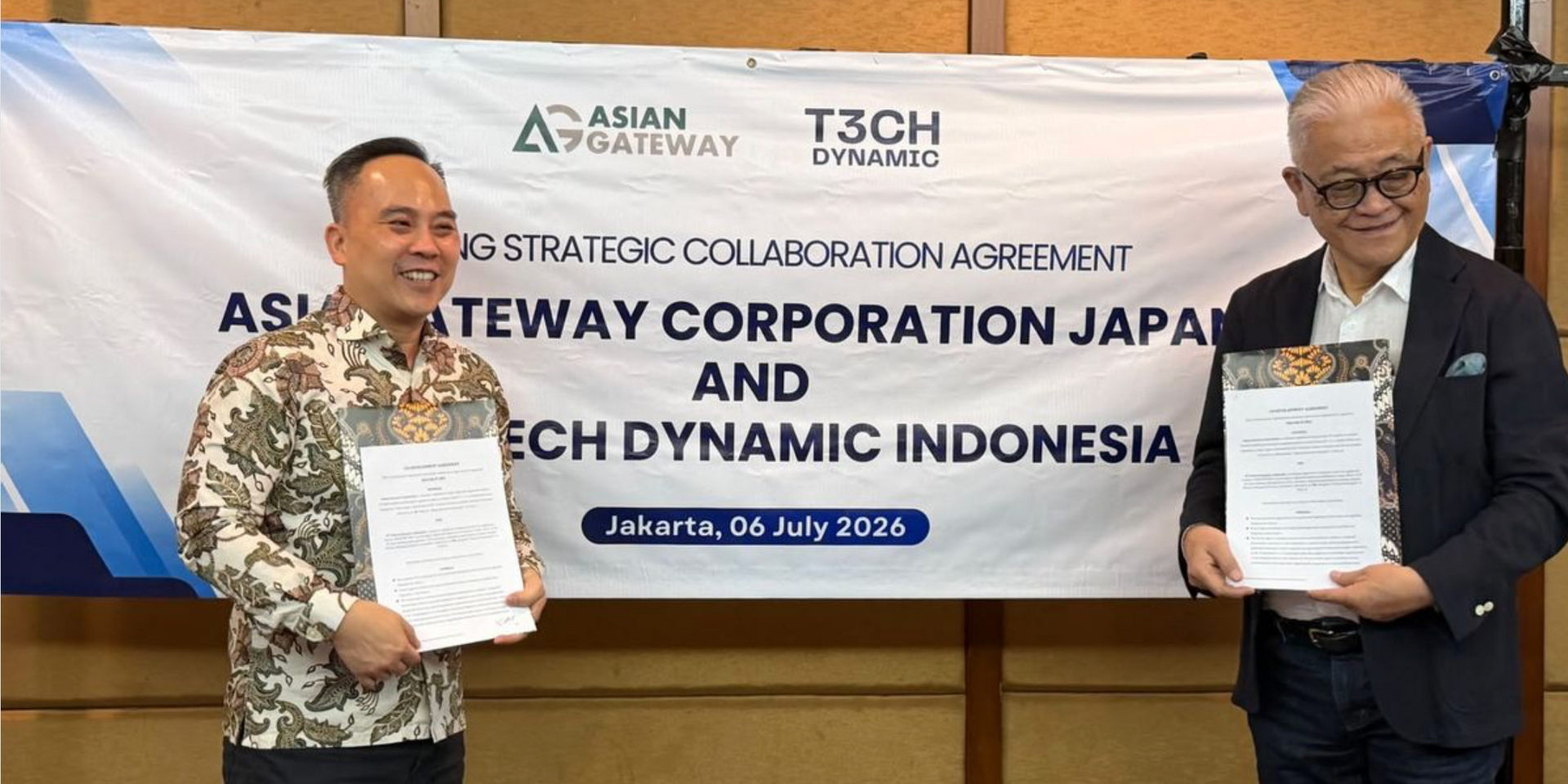
PT Tritech-Asian Gateway Signs Waste Processing Agreement to Become Alternative Fuel
2026年7月10日
PT Tritech-Asian Gateway Signs Waste Processing Agreement to Become Alternative Fuel
By Tomonori Kimura • 2026年6月22日
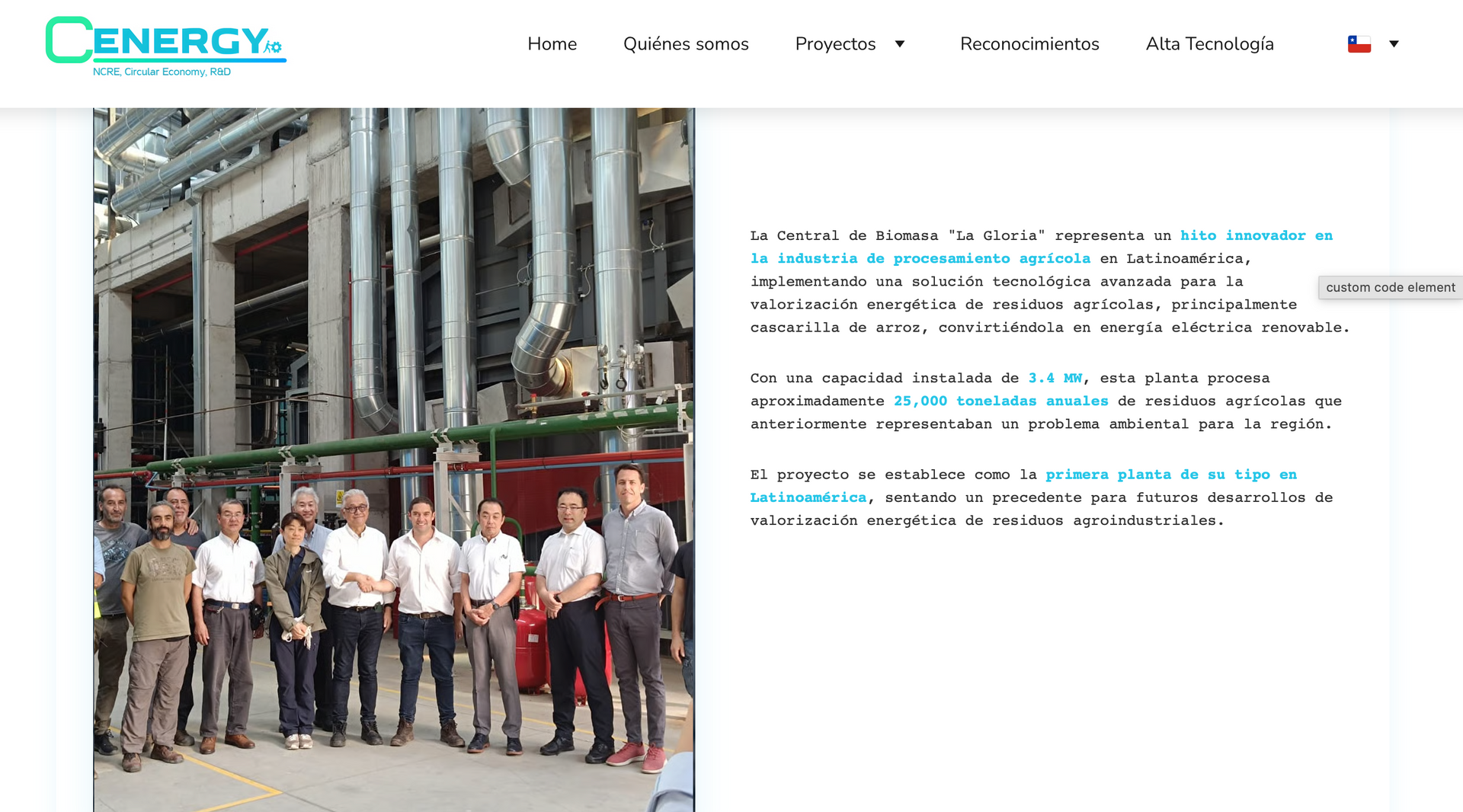
AG's La Gloria Biomass Power Plant Construction Project , a selected project under the JCM Equipment Subsidy Program, has been featured on CEnergy's website (URL below). Website: https://cenergyltd.com/proyecto-de-biomasa-la-gloria Youtube: https://youtu.be/AK0o8_JM6SM?si=vISdb6HS4QYRjvZF Project Overview Power generation capacity: 3.4 MW Total project cost (CAPEX): approximately USD 18 million One of the first projects of its kind in South America Primary fuel: agricultural residues such as rice husks Power generation method: ORC (Organic Rankine Cycle) technology A project supported by the Japanese government's JCM (Joint Crediting Mechanism) Project Objectives This project aims to generate renewable energy by utilizing agricultural waste (particularly rice husks)—which until now has been incinerated or discarded—as fuel. Through this, the project achieves: Reduction of greenhouse gas emissions Effective use of agricultural waste Contribution to the local electricity supply Promotion of a circular economy Technical Features The La Gloria plant employs ORC (Organic Rankine Cycle) technology. This technology offers the following advantages: Lower water consumption than conventional steam power generation Well-suited to small- and medium-scale biomass power generation Highly efficient thermal energy recovery Easy to operate even in drought-prone regions It is also expected to reduce air pollution caused by the open burning of agricultural residues. Relationship with the JCM The La Gloria project is one of Chile's flagship decarbonization projects supported by the Japanese government's JCM. In recognition of its contribution to CO₂ reduction, the project received subsidy support from the Japanese government.
2025年10月15日
Mahiyanganaya 10MW Solar Power Project
2025年8月29日
A Simple Roadmap to Sustainability Disclosure: Understanding the Roles of TCFD, ISSB, and SSBJ
2025年8月18日
A New Standard for Environmental Management in the Asian Market
2025年8月8日
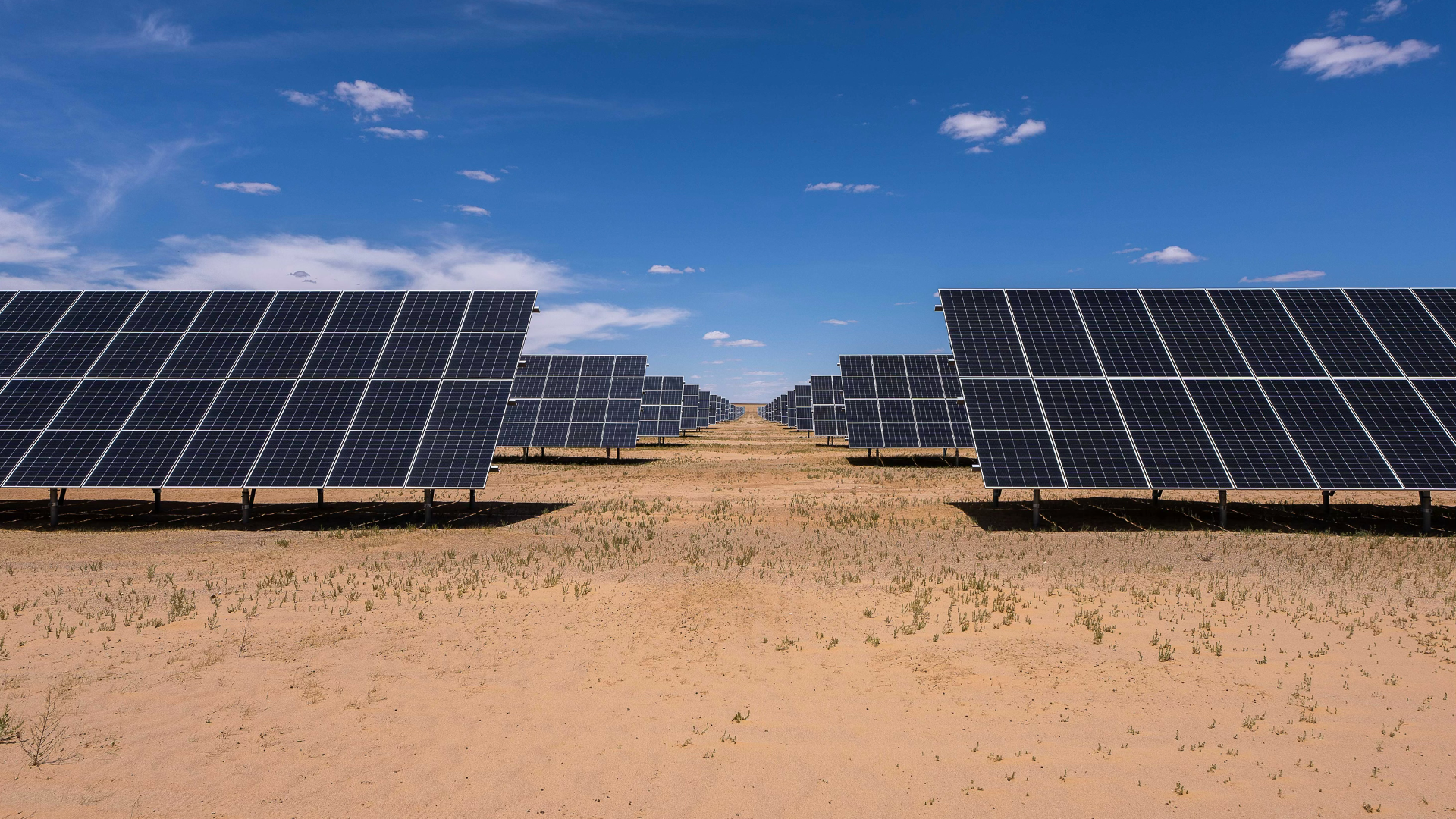
A 15 MW solar project in Erdene, Mongolia, aims to build a sustainable future.

用語集

当社の事業やカーボンクレジット市場について深くご理解いただくため、気候変動対策やGX戦略といった基本用語から、JCM(二国間クレジット制度)などの専門用語まで幅広く解説します。ウェブサイトや資料を読み解く際にご活用ください。

  • JCM

    JCM(Joint Crediting Mechanism、二国間クレジット制度)とは、日本が先進的な脱炭素技術や設備を他国に導入し、その国で削減・吸収された温室効果ガス量を定量的に評価して、日本の温室効果ガス削減目標に活用できる二国間の協力制度です。

  • GX-League

    GX-League(グリーントランスフォーメーションリーグ)は、日本政府が掲げる「2050年カーボンニュートラル」の実現に向けて、企業、政府、学術機関などが連携し、脱炭素社会の構築と経済成長を両立させるための枠組みです。

  • ICVCM

    ICVCM(Integrity Council for the Voluntary Carbon Market)は、自主的炭素市場の信頼性を確保するための独立した国際機関です。この組織は、温室効果ガス排出削減のためのカーボンクレジットが実際に効果的で信頼性の高いものであることを保証することを目的としています。

  • ISSB

    ISSB(International Sustainability Standards Board)は、国際的な企業のサステナビリティ情報開示基準を策定する組織です。 ISSBは、企業が環境(Environment)、社会(Social)、ガバナンス(Governance)の活動やリスク・機会に関する情報を透明かつ比較可能に開示できるよう、国際的に統一された基準(IFRSサステナビリティ開示基準)を作成しています。これにより、投資家やステークホルダーが企業の非財務情報を理解し、意思決定に活かせることを目指しています。


  • SSBJ

    SSBJ(Sustainability Standards Board of Japan)は、日本における企業のサステナビリティ情報開示基準を策定する組織です。2022年7月に設立され、国際サステナビリティ基準審議会(ISSB)との整合性を図りつつ、日本独自の基準を開発しています。