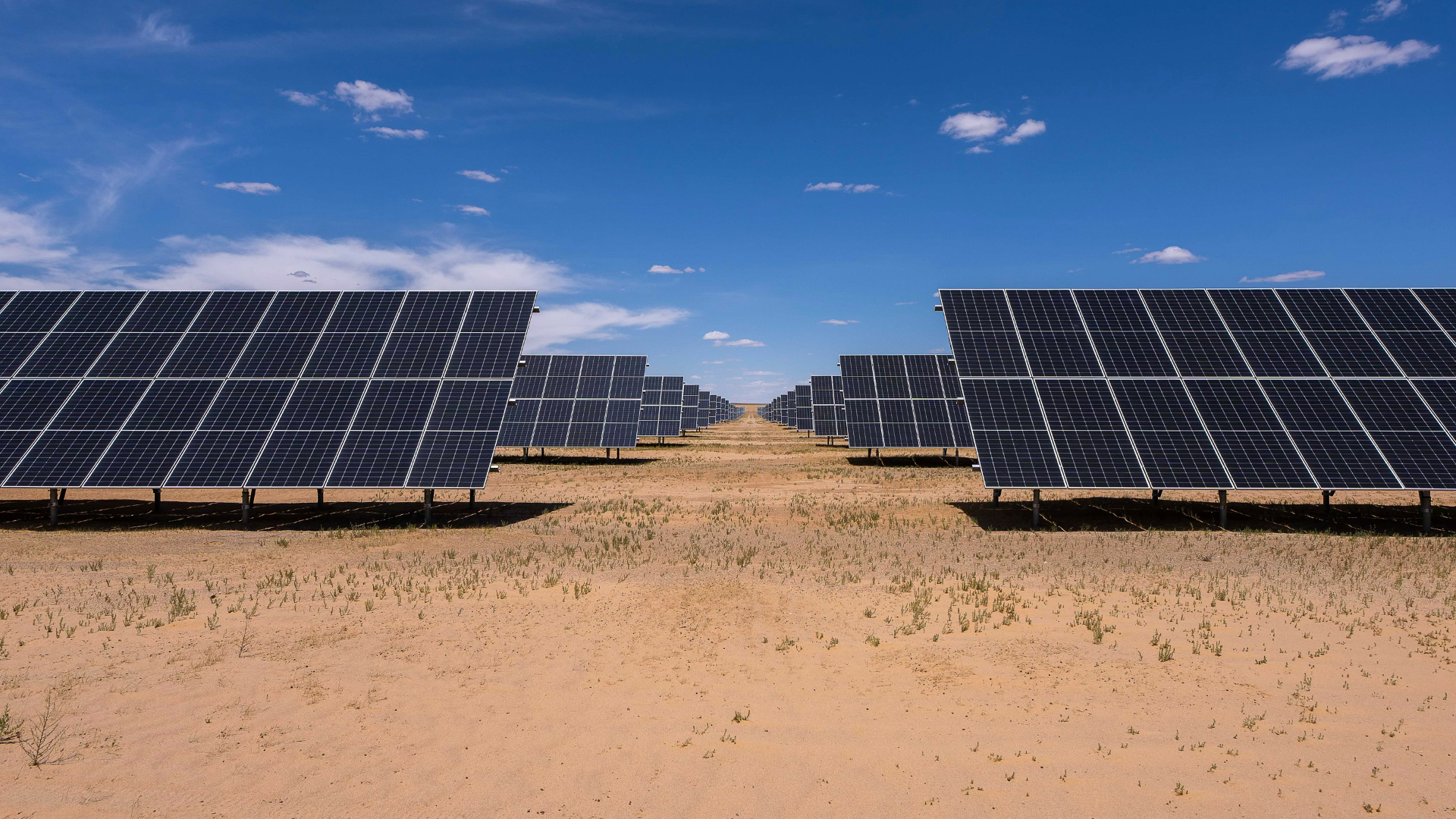
A 15 MW solar project in Erdene, Mongolia, aims to build a sustainable future.
This initiative combines a 15 MW solar power plant with an 80 MWh battery storage system, aiming to move away from dependence on fossil fuels while contributing to the global fight against climate change. Here’s a closer look at how this project is influencing Mongolia’s energy strategy and local communities.
1. Reliable Power for Homes and Industries
Erdene is a quiet area where livestock herding is the main livelihood. But the introduction of the 15 MW solar facility paired with an 80 MWh battery is set to transform the local energy landscape. The large battery stores surplus solar power generated on sunny days and releases it when needed, ensuring a stable supply to the grid. This clean electricity is fed into Mongolia’s central power network, marking a major step in reducing reliance on coal-fired power generation.
2. Protecting the Environment and Building a Sustainable Future
The project’s environmental impact is significant. It aims to cut over 16,000 tons of CO₂ emissions annually—roughly equivalent to the yearly emissions of about 2,500 average households in Japan. It will also help improve air quality and make a strong contribution toward international climate targets. This effort sends a clear message to the world that environmental responsibility is at the heart of Mongolia’s energy policy.
3. Creating Jobs and Developing New Skills Locally
The Erdene Solar Power Project’s benefits extend beyond the environment. It is creating jobs and giving local residents the chance to gain expertise in renewable energy. Stable electricity supply is also boosting regional industries, helping address Mongolia’s challenge of diversifying its energy sources. This is more than just building a power plant—it’s a model for Mongolia’s sustainable energy transition and a beacon of hope for the future.
Challenges Ahead, Opportunities in Sight
Of course, challenges remain. Mongolia’s harsh winters, frequent sandstorms, and the need to adapt to policy changes present real obstacles. Yet the project represents a key step in line with national strategy, proving the vast potential of renewable energy. Its success could accelerate clean energy development not only in Mongolia but across the world.