With visible, traceable measurement data, Carbon Credits you can truly trust!
Carbon Credits help creators and buyers visualize and share the responsibility for our planet's burden.
"Reduce, Generate, Circulate"
A Virtuous Economic Cycle Driven by the Paris Agreement & GX Strategy
Reduce emissions, generate clean energy, and circulate finance and data. Japan's Green Transformation (GX) Strategy translates the global goals of the Paris Agreement into corporate action, integrating decarbonization with economic growth
Win-Win-Win flywhee
benefiting all three parties
The "flywheel effect"—popularized by Jim Collins—describes compounding momentum: progress is slow at first, then accelerates as each cycle reinforces the next. Our climate finance vehicle — the JTCF (Just Transition Carbon Facility) — accelerates this flywheel effect by enabling fundraising, ensuring MRV and credit issuance, and driving monetization.
The Three Elements of "Win-Win-Win"
- Good for the Seller: A state where project owners earn fair returns, ensuring business continuity.
- Good for the Buyer: A state where credit buyers are satisfied with the high-quality credits and services, enabling them to meet their compliance and sustainability goals.
- Good for Society: A state where carbon credit transactions create positive impacts on local communities and the environment as a whole.
Track Records
A Proven Track Record in High-Integrity Credit Generation
We have a strong track record of creating high-quality JCM credits by implementing renewable energy projects from Asia to Latin America. Our initiatives, which include projects for schools, factories, and public infrastructure , are centered on the Joint Crediting Mechanism (JCM) based on Article 6.2 of the Paris Agreement.
Featured Project
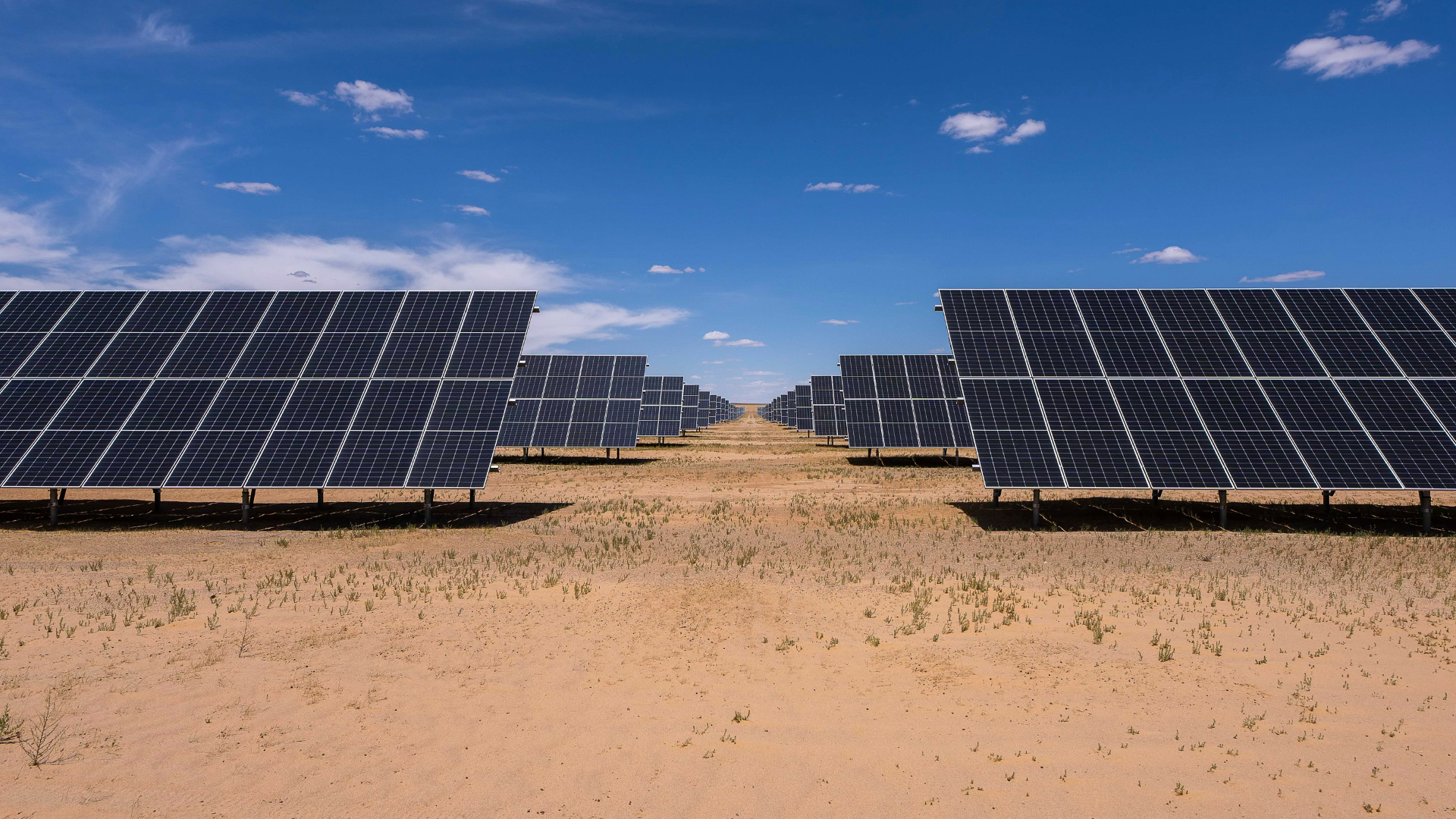
Mongolia | Solar Power + BESS Project
This project features a 30 MW solar power plant combined with an 80 MWh Battery Energy Storage System (BESS). The power plant, which is set to come online in 2024, represents 2% of Mongolia's peak electricity demand, making a significant contribution to the stability of the energy supply.
Featured Project
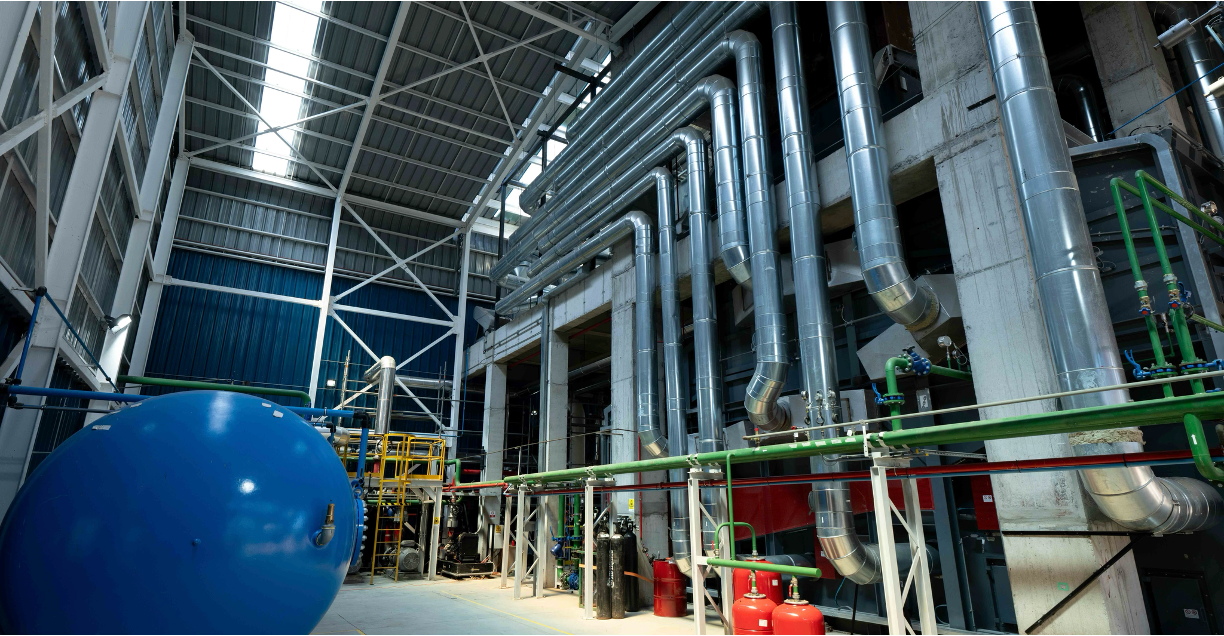
Chile | Rice Husk Biomass Power Plant Project
This is a 3.4 MW biomass power plant that uses rice husks. In 2023, it became the first project of its kind in Latin America utilizing Organic Rankine Cycle (ORC) technology.
AG Insight
FAQs
What are carbon credits?
Carbon credits are tradable certificates, each verifying that one metric ton of CO2-equivalent has been reduced or removed according to recognized standards. They provide a financial incentive for entities to undertake emissions-reducing actions.
What is the Joint Crediting Mechanism (JCM)?
The JCM is a system in which Japan cooperates with 31 partner countries to contribute to emissions reductions through the diffusion of advanced decarbonization technologies, and the results are shared between the two countries.
What are Asian Gateway's strengths?
Our strength is our ability to integrate the entire value chain—from financing (JTCF) and project execution (PMO) to high-quality credit sales (Market).
Partners