Mahiyanganaya 10MW Solar Power Project
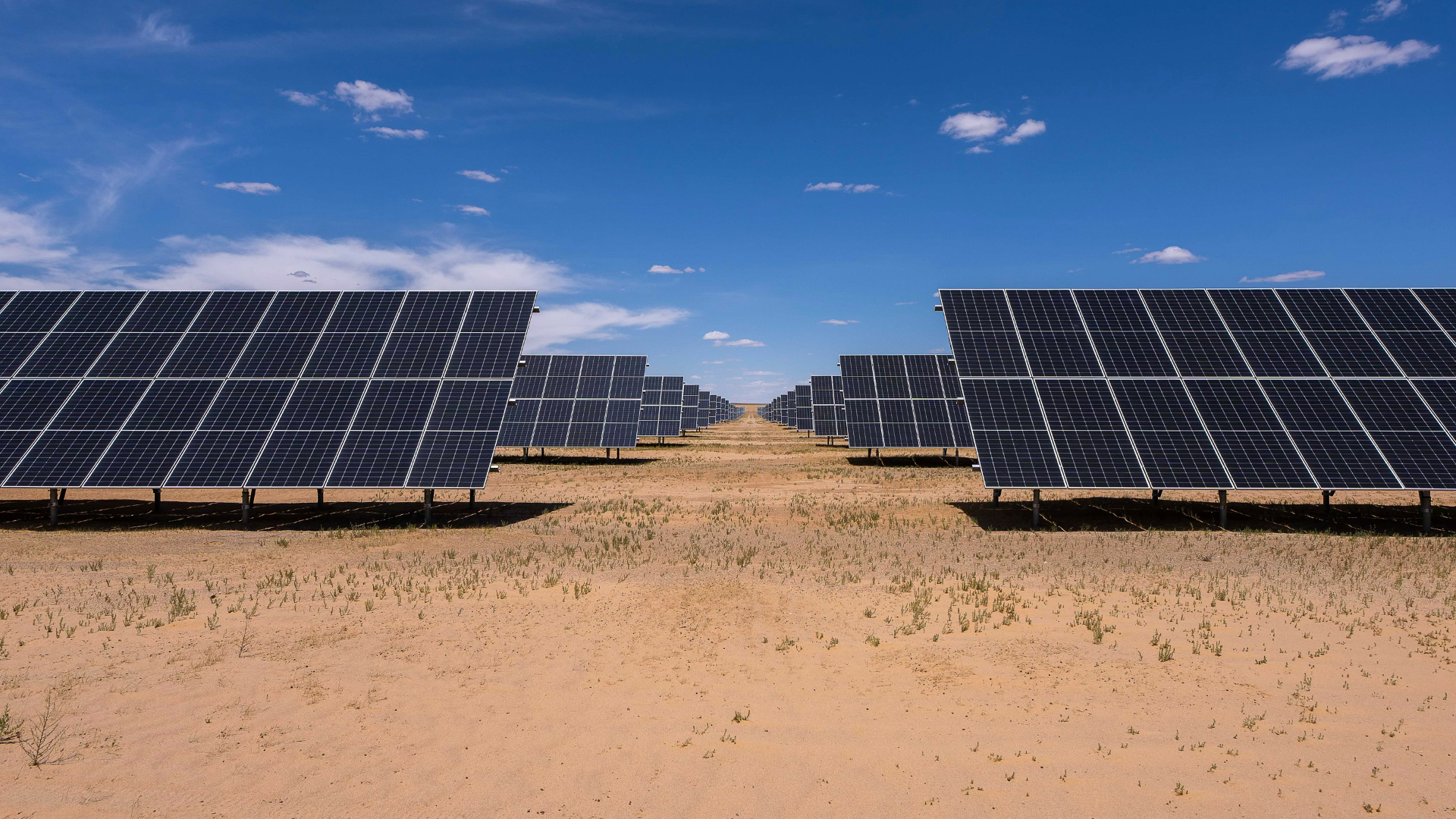
A 10MW solar power system is on the way to installe in Mahiyanganaya, Sri Lanka. The project was implemented with funding support through Japan’s Joint Crediting Mechanism (JCM) and aims to expand renewable energy use in Sri Lanka while reducing greenhouse gas (GHG) emissions. It serves as a model case for promoting the transition to a sustainable energy system.
1. Environmental Benefits
By replacing fossil fuel–based power generation, the project reduces CO₂ emissions by approximately 6,000 tons per year. This contributes to lowering Sri Lanka’s dependence on fossil fuels in its energy mix and helps improve air quality. Part of the generated electricity is sold to the Ceylon Electricity Board, creating an additional source of revenue.
2. Social and Economic Benefits
The project created employment opportunities during the construction, operation, and maintenance phases. It has also improved energy access and reliability in the region by stabilizing electricity supply, helping to alleviate power shortages and support more stable electricity prices.
Challenges and Future Outlook
The project faced challenges such as regulatory and policy changes, complex permitting processes, and grid capacity constraints. These issues sometimes led to bureaucratic delays and uncertainty for investors
Despite these challenges, the project stands as a successful example of introducing renewable energy under the JCM framework. It has contributed to GHG emissions reduction, strengthened energy security, and supported local economic development. This success also aligns with Sri Lanka’s sustainable energy policy goal of achieving 70% renewable energy in its power mix by 2030.
Conclusion
The project’s success demonstrates the importance of international cooperation and public–private partnerships in achieving climate and development goals simultaneously. Expanding similar projects in other regions with high solar potential could further accelerate the shift toward a sustainable energy system.