モンゴル南東部のエルデネ地区で、持続可能な未来を目指す画期的なプロジェクトが進行しています。

15MWの太陽光発電施設と80MWhの蓄電池システムを組み合わせたこの取り組みは、化石燃料依存からの脱却と、地球規模の気候変動対策への貢献を目指しています。このプロジェクトがモンゴルのエネルギー戦略と地域社会にもたらす影響について、その詳細をご紹介します。

1.安定した電力供給で、生活と産業を支える

モンゴルのエルデネ地区は、牧畜が中心の静かな地域です。しかし、ここに導入された15MWの太陽光発電システムと80MWhの蓄電池システムは、地域のエネルギー事情を劇的に変えようとしています。太陽光発電の不安定さを補うのが、この巨大な蓄電池です。晴れた日の余剰電力を蓄えておき、必要なときに安定して供給することで、電力網全体を支えます。このクリーンな電力はモンゴル中央電力網に組み込まれ、石炭火力発電への依存を減らす大きな一歩となっています。

2.環境に優しく、持続可能な未来を築く

このプロジェクトの環境への貢献は計り知れません。年間で16,000トン以上ものCO2排出削減を目指しており、これは日本の一般家庭およそ2,500世帯分が1年間に排出するCO2に相当します。さらに、大気汚染の改善にもつながり、国際的な気候目標の達成にも大きく貢献します。環境への配慮が、モンゴルのエネルギー政策の最優先事項であることを世界に示しているのです。

3.地域に雇用を生み、新たなスキルを育てる

エルデネ太陽光発電プロジェクトのメリットは、環境だけにとどまりません。プロジェクトの推進は、新たな雇用を生み出し、地元の人々に再生可能エネルギー分野での専門スキルを身につける機会を与えています。また、安定した電力供給は地域産業の発展を促し、モンゴルが抱えるエネルギー多様化の課題解決にも貢献しています。これは単なる発電所の建設ではなく、モンゴルの持続可能なエネルギー転換を支えるモデルケースとして、未来の希望の光となっているのです。

厳しい挑戦の先に、大きな可能性が待つ

もちろん、課題がないわけではありません。モンゴルの極寒の気候や砂嵐といった厳しい自然環境、そして政策の変化への対応など、乗り越えるべきハードルは数多くあります。それでも、このプロジェクトはモンゴルの国家戦略に沿った重要な一歩であり、再生可能エネルギーが持つ無限の可能性を証明しています。エルデネ太陽光発電プロジェクトの成功が、今後のモンゴルと世界のクリーンエネルギーを加速させることは間違いないでしょう。
July 13, 2026
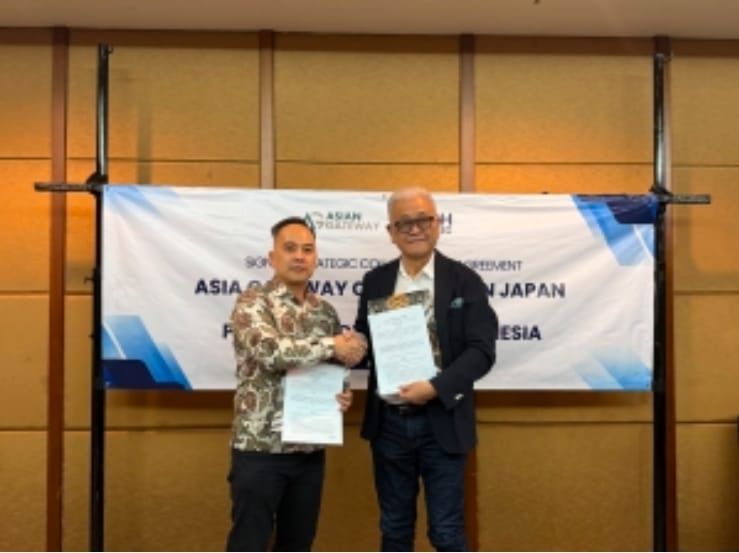
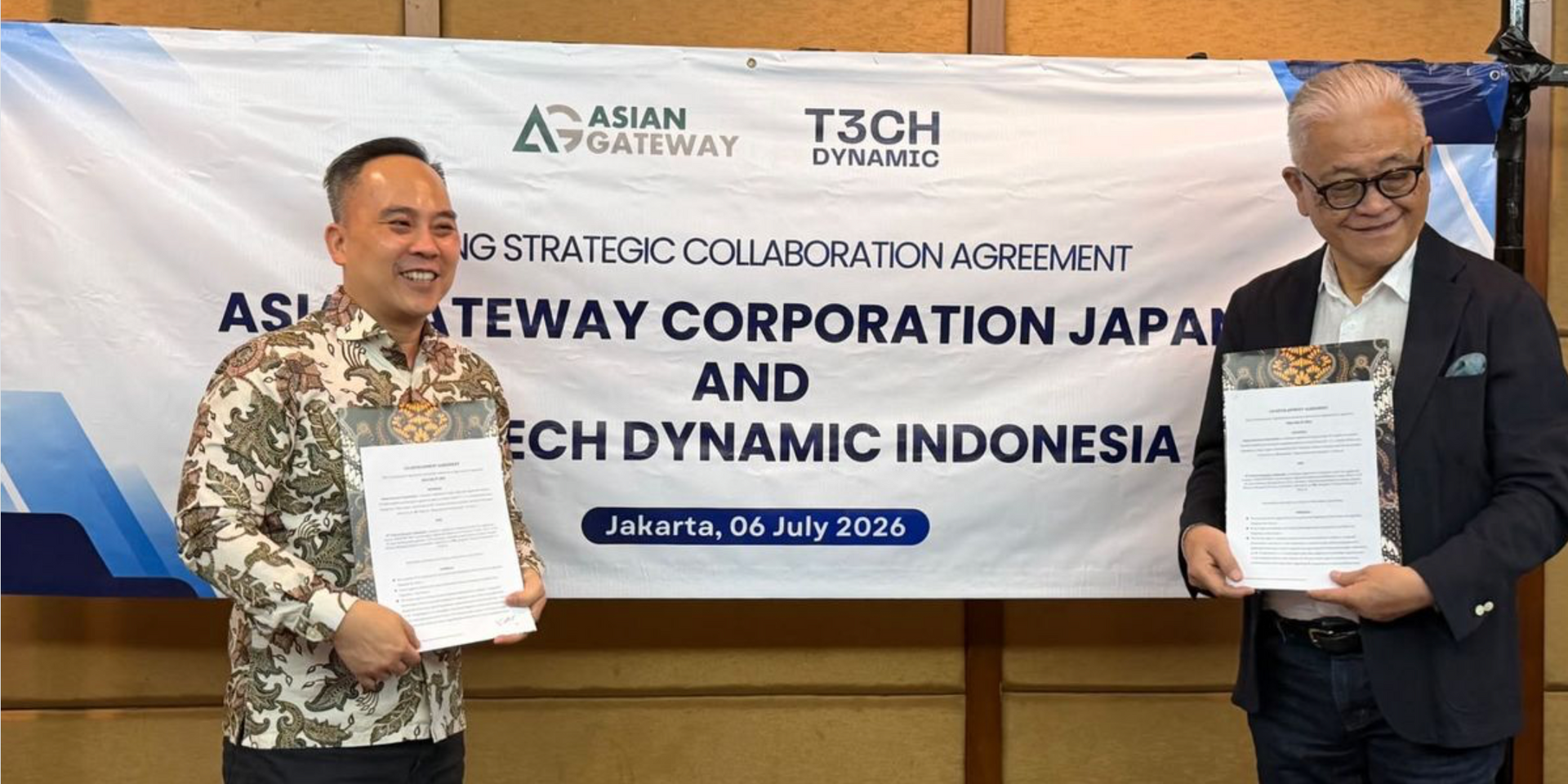
PT Tritech-Asian Gateway Signs Waste Processing Agreement to Become Alternative Fuel
July 10, 2026
PT Tritech-Asian Gateway Signs Waste Processing Agreement to Become Alternative Fuel
By Tomonori Kimura June 22, 2026
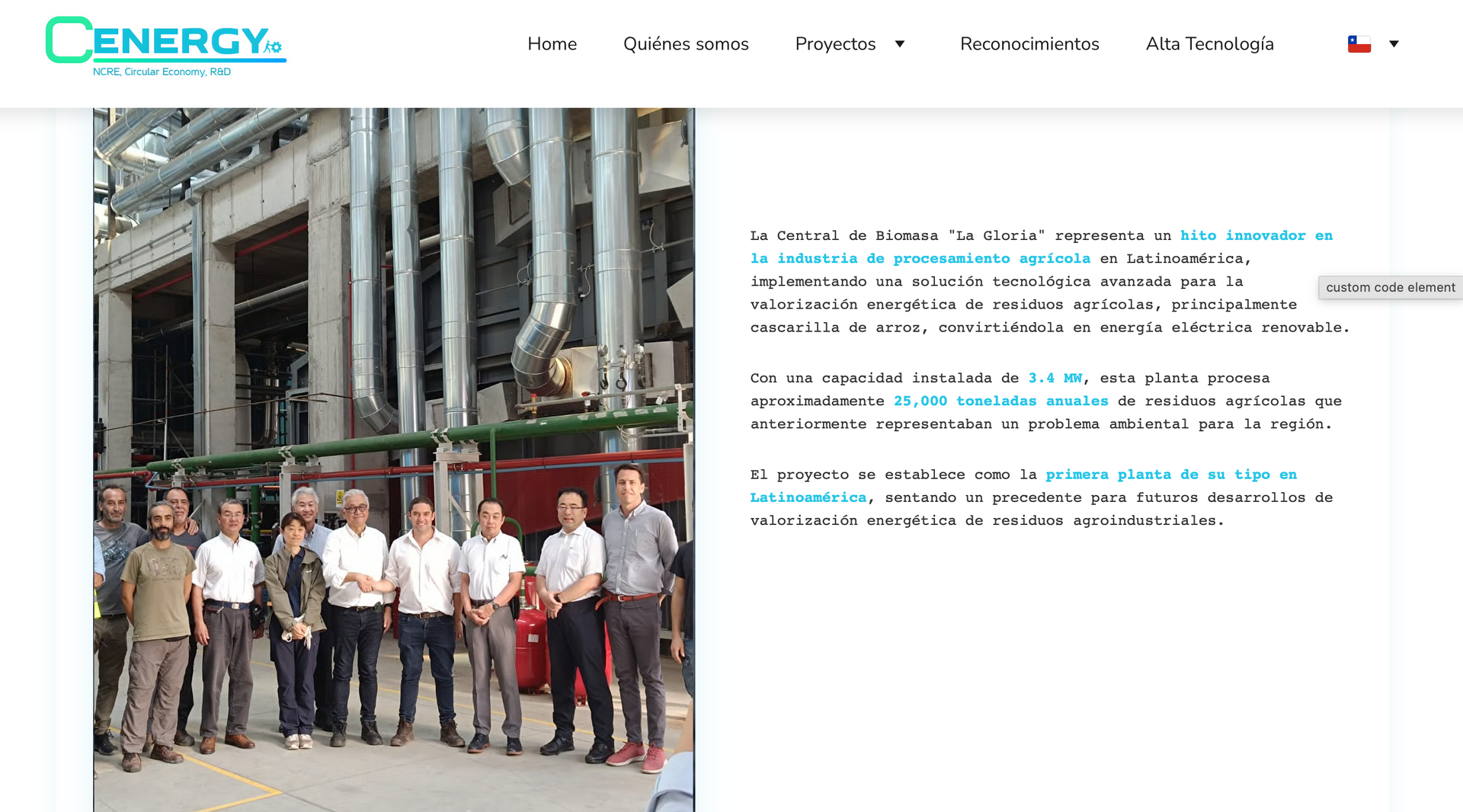
AG's La Gloria Biomass Power Plant Construction Project , a selected project under the JCM Equipment Subsidy Program, has been featured on CEnergy's website (URL below). Website: https://cenergyltd.com/proyecto-de-biomasa-la-gloria Youtube: https://youtu.be/AK0o8_JM6SM?si=vISdb6HS4QYRjvZF Project Overview Power generation capacity: 3.4 MW Total project cost (CAPEX): approximately USD 18 million One of the first projects of its kind in South America Primary fuel: agricultural residues such as rice husks Power generation method: ORC (Organic Rankine Cycle) technology A project supported by the Japanese government's JCM (Joint Crediting Mechanism) Project Objectives This project aims to generate renewable energy by utilizing agricultural waste (particularly rice husks)—which until now has been incinerated or discarded—as fuel. Through this, the project achieves: Reduction of greenhouse gas emissions Effective use of agricultural waste Contribution to the local electricity supply Promotion of a circular economy Technical Features The La Gloria plant employs ORC (Organic Rankine Cycle) technology. This technology offers the following advantages: Lower water consumption than conventional steam power generation Well-suited to small- and medium-scale biomass power generation Highly efficient thermal energy recovery Easy to operate even in drought-prone regions It is also expected to reduce air pollution caused by the open burning of agricultural residues. Relationship with the JCM The La Gloria project is one of Chile's flagship decarbonization projects supported by the Japanese government's JCM. In recognition of its contribution to CO₂ reduction, the project received subsidy support from the Japanese government.