PT Tritech-Asian Gateway Signs Waste Processing Agreement to Become Alternative Fuel
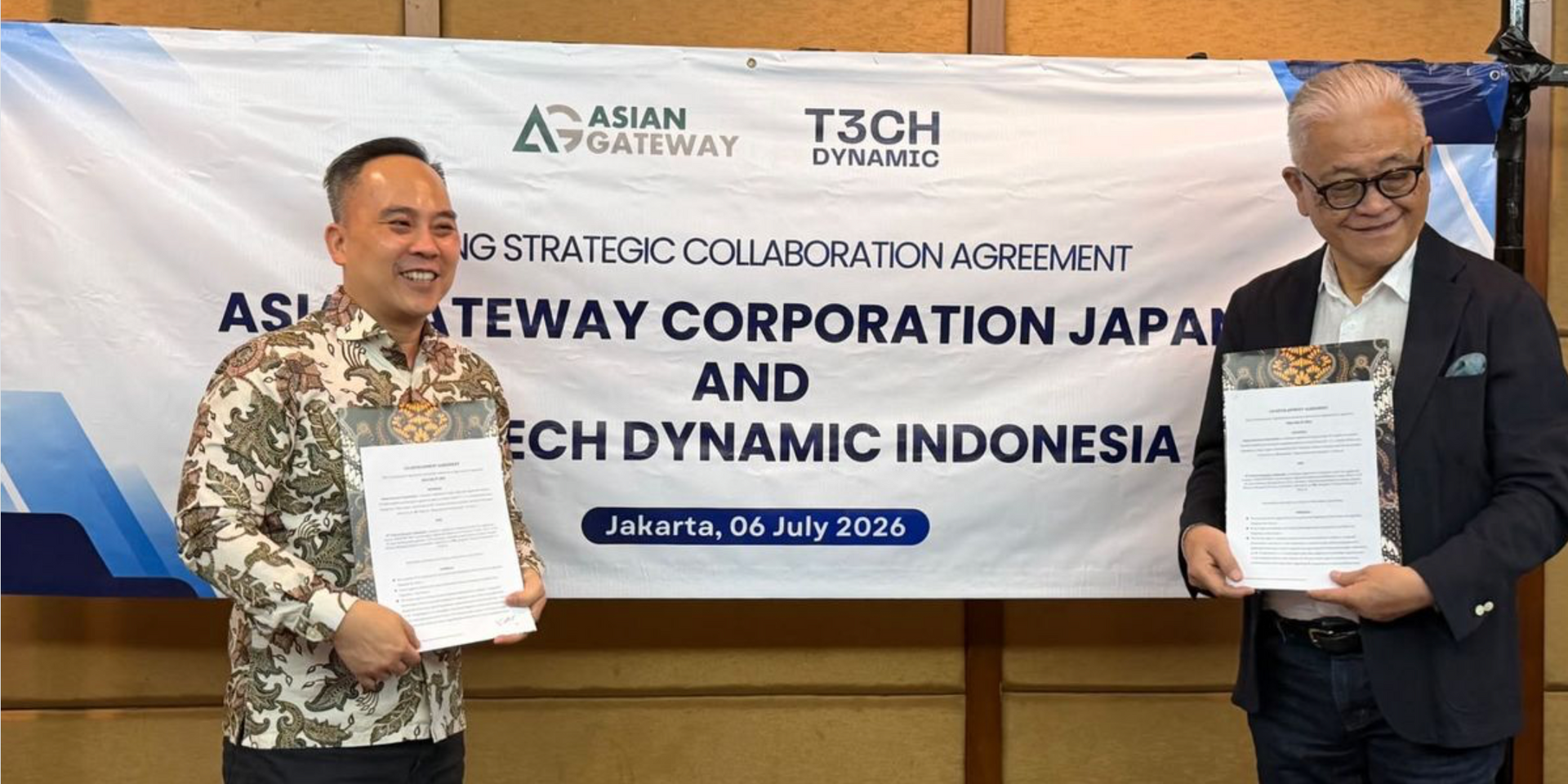
PT Tritech announced the signing of a Co-Development Agreement (CDA) with Japan's Asian Gateway Corporation
JAKARTA - PT Tritech CEO Donny Witono announced the signing of a Co-Development Agreement (CDA) with Japan's Asian Gateway Corporation, represented by Tomonori Kimura as CEO. The signing was held in Jakarta on Monday, July 6, 2026.
his CDA is the initial framework for cooperation between the parties to conduct due diligence on the project, exchange the necessary information, and prepare for potential long-term cooperation for waste processing into sustainable aviation fuel/SAF.
"This signing reflects PT Tritech's commitment to building a credible international collaboration in project development. We welcome Asian Gateway as a strategic partner in the due diligence process and proposal preparation," said PT Tritech CEO Donny Witono.
Meanwhile, Asian Gateway CEO Tomonori Kimura said, "We are pleased to formalize the initial cooperation with PT Tritech in Jakarta. Through this CDA, both parties can work in a structured and transparent manner to evaluate the feasibility of the project and prepare the required documentation."
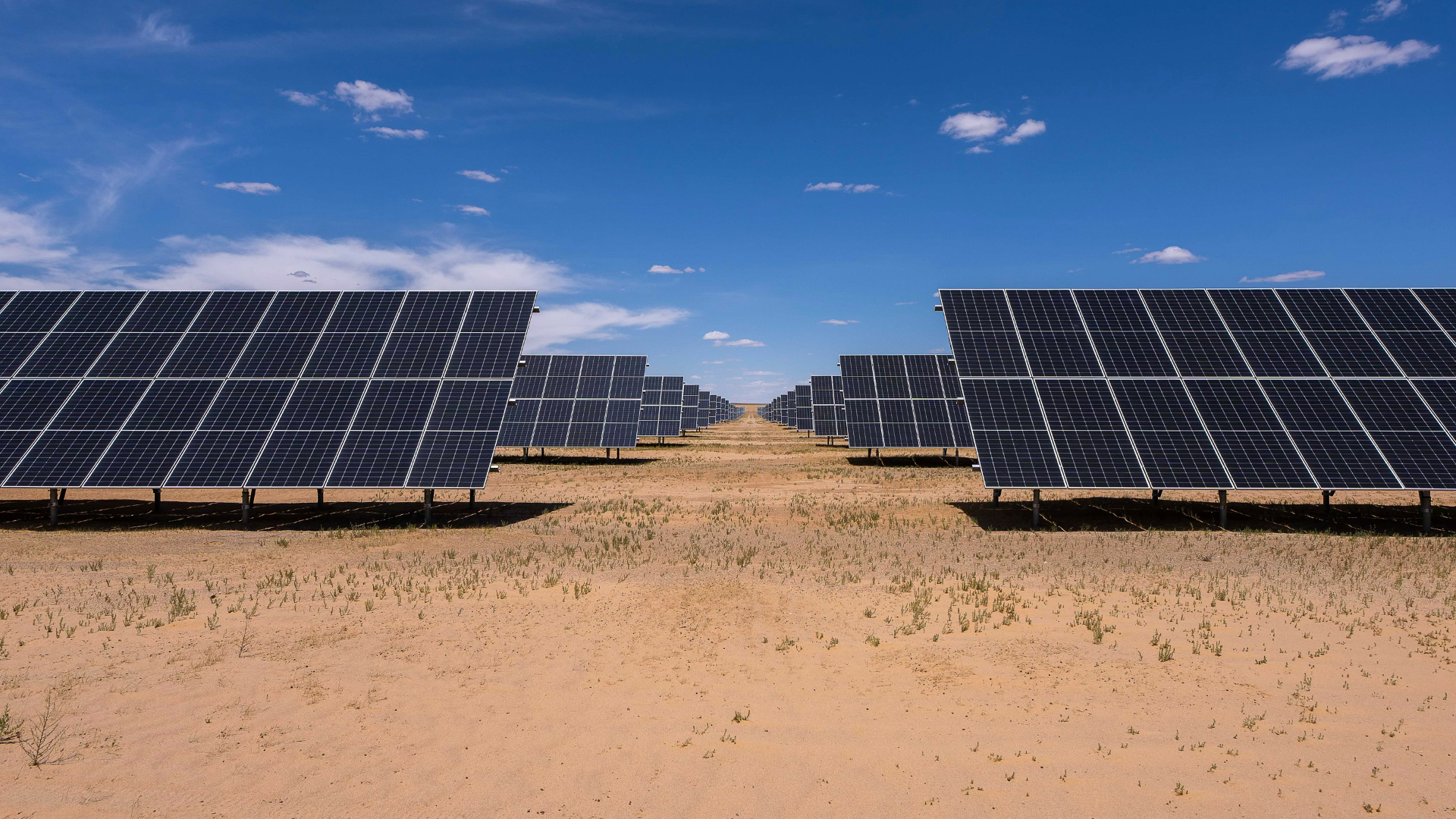
This CDA is the beginning of the foundation for building a wider and longer-term collaboration, in addition to SAF also includes Renewable Energy based on Solar Energy, Battery Energy Storage System, Carbon Credit and Tokenization based on Renewable Energy Projects.
PT Tritech is an Indonesian company that focuses on developing opportunities for current technology projects, especially in the renewable energy sector, with selected strategic partners.
PT Tritech announced the signing of a Co-Development Agreement (CDA) with Japan's Asian Gateway Corporation,
AG itself is a company in the field of renewable energy / carbon finance. Their strategy is "Reduce, Generate, Circulate," with a focus on project financing, MRV, credit issuance, and monetization through JTCF (Just Transition Carbon Facility) and cross-country JCM (Join Credit Mechanism) projects.
These two companies will later process waste from the Urban Final Waste Disposal Site or MSW / Municipal Solid Waste into RDF (Refuse Derived Fuel) and finally through the latest technology to produce SAF (Sustainable Aviation Fuel), which is a fuel for environmentally friendly aviation.
SAF itself has been determined by the ICAO World Agency (International Civil Aviation Organization) and the Indonesian Government. Rio Permana, S.T., from the Aviation Safety Directorate of the Ministry of Transportation said that SAF, especially for air transport, has become a must for every aircraft that operates both nationally and internationally.
Rio Permana assessed that the initiative to start from these two companies will encourage the acceleration of Indonesia to achieve the Net Zero Carbon target soon.
Under the Carbon Offsetting and Reduction Scheme for International Aviation (CORSIA) program, ICAO defines SAF as aviation fuel from renewable or waste feedstocks that meet strict sustainability criteria for decarbonizing aviation.
Voi news URL: https://voi.id/en/economy/583933#google_vignette